

Research
Brain tumors evolve through changes in genotype, cell state, lineage composition, and interactions with the surrounding brain and immune microenvironment. These processes unfold during therapy and can produce clinically important resistance without a single dominant DNA mutation.
The Diaz Lab combines longitudinal clinical specimens, single-cell and spatial multiomics, genetic lineage tracing, machine learning, and experimental models to resolve these processes. Across adult and pediatric brain tumors and brain metastases, we seek to identify causal mechanisms, predictive biomarkers, and therapeutic combinations that can be advanced through clinical and industry partnerships.
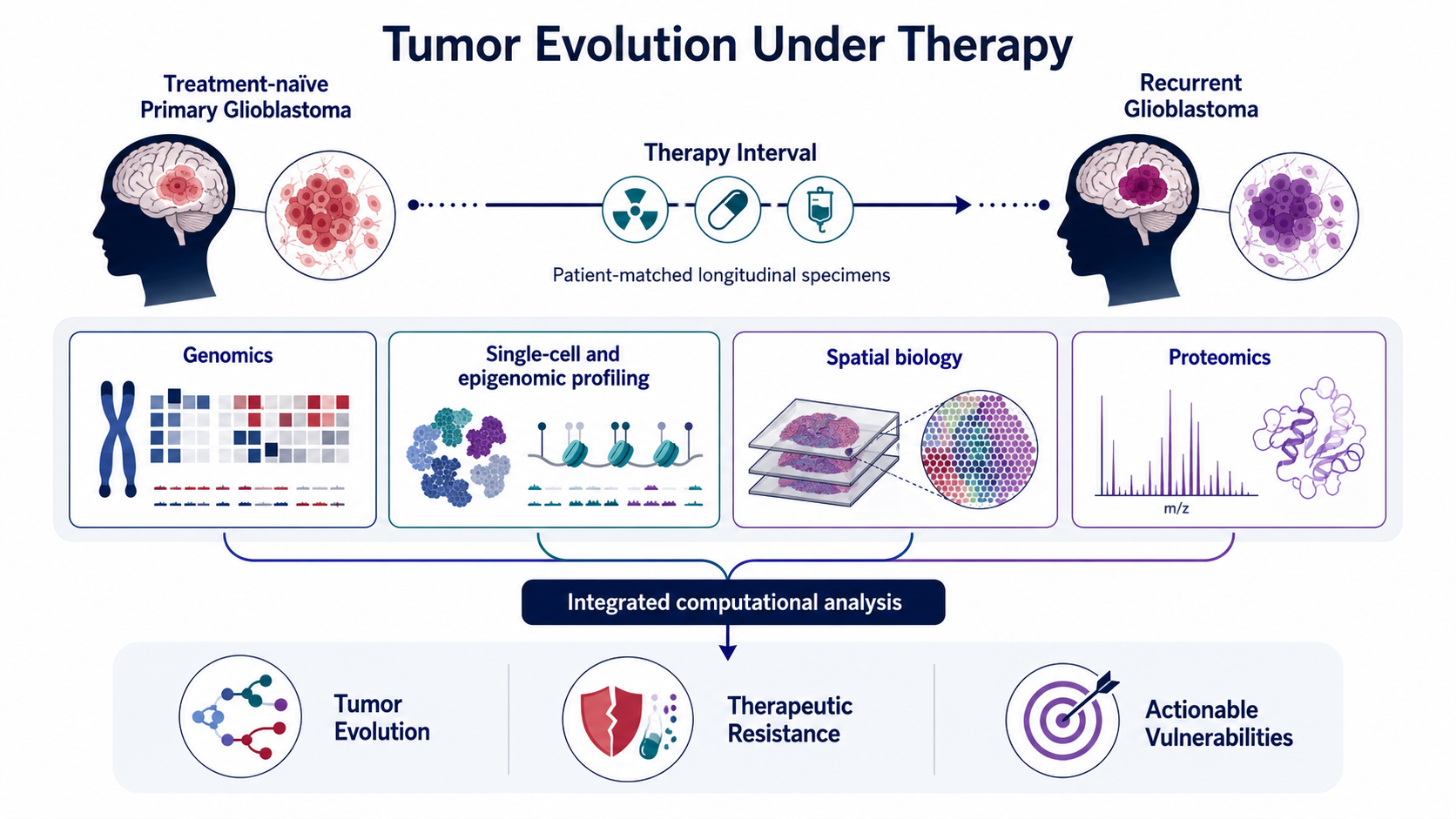
Tumor Evolution Under Therapy
Longitudinal genomic, single-cell, spatial, and clinical studies reveal how glioma cell states and molecular programs change under therapy in glioblastoma and IDH-mutant glioma.
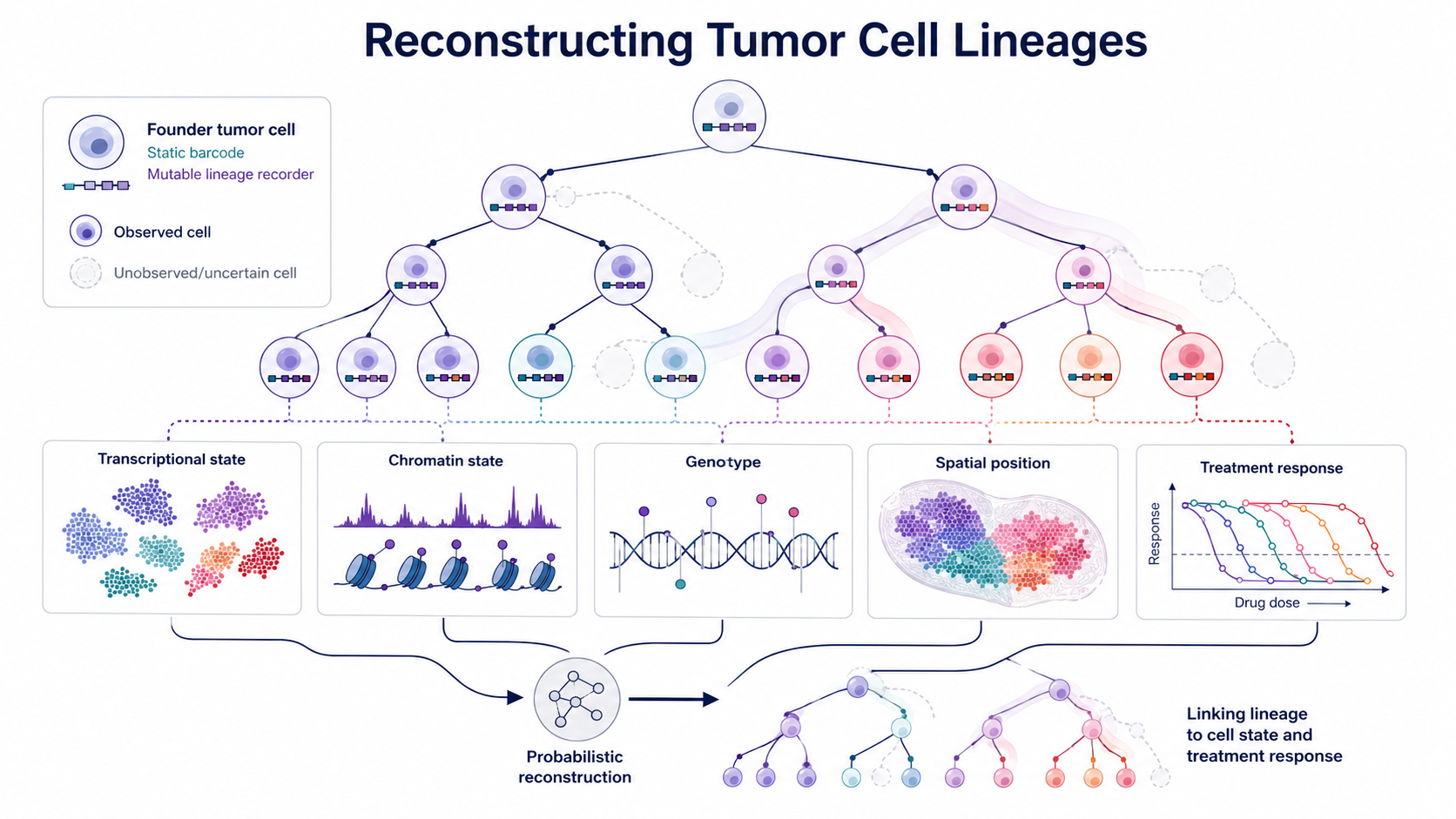
Lineage Tracing and Predictive Computation
Experimental lineage recording and computational methods connect cellular ancestry with molecular phenotype, spatial context, and treatment response.
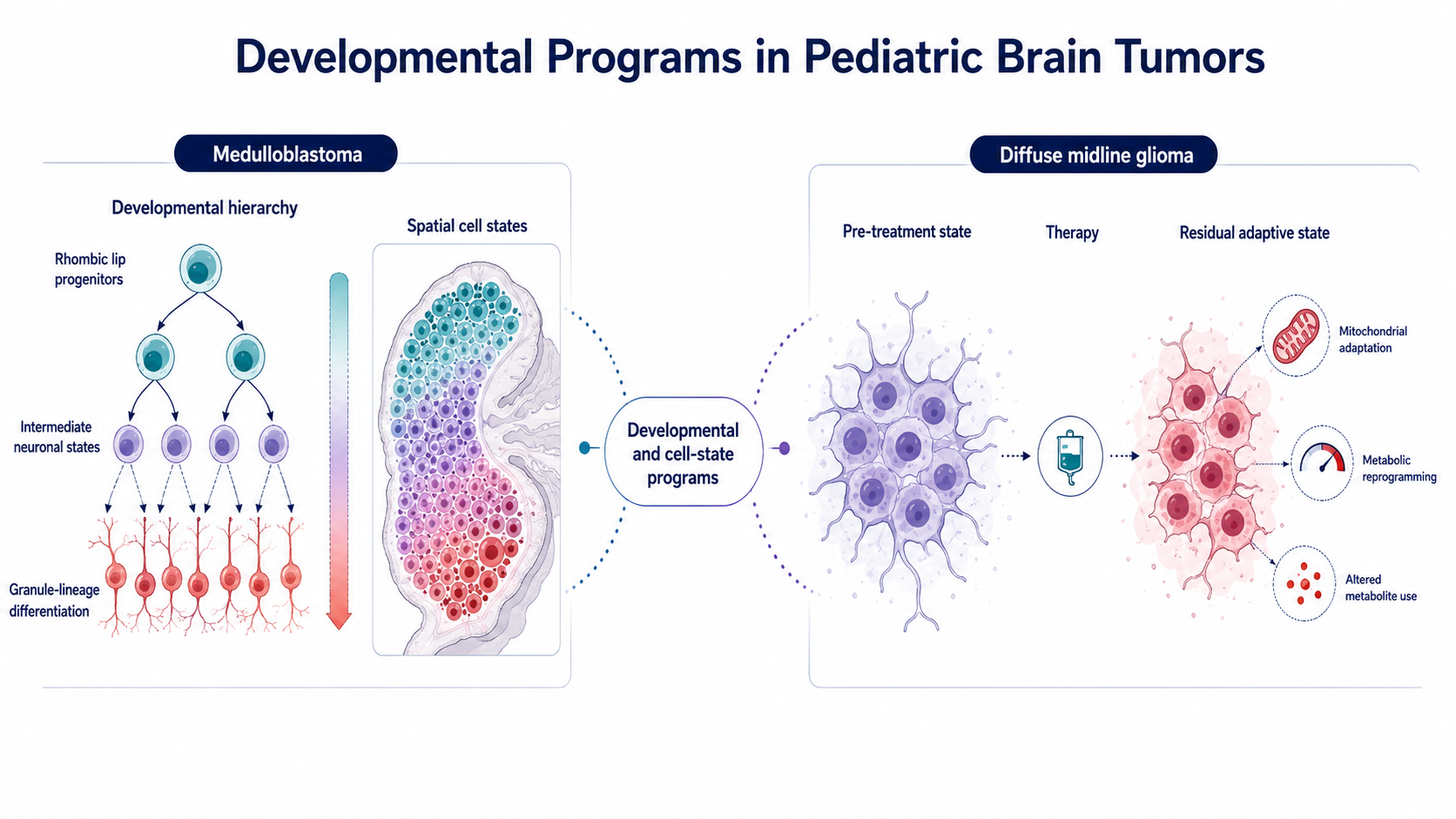
Pediatric Brain Tumors
We study developmental and therapy-driven programs in medulloblastoma and diffuse midline glioma, including longitudinal SHH medulloblastoma evolution, developmental–cancer genetic convergence, and adaptive resistance to dordaviprone.
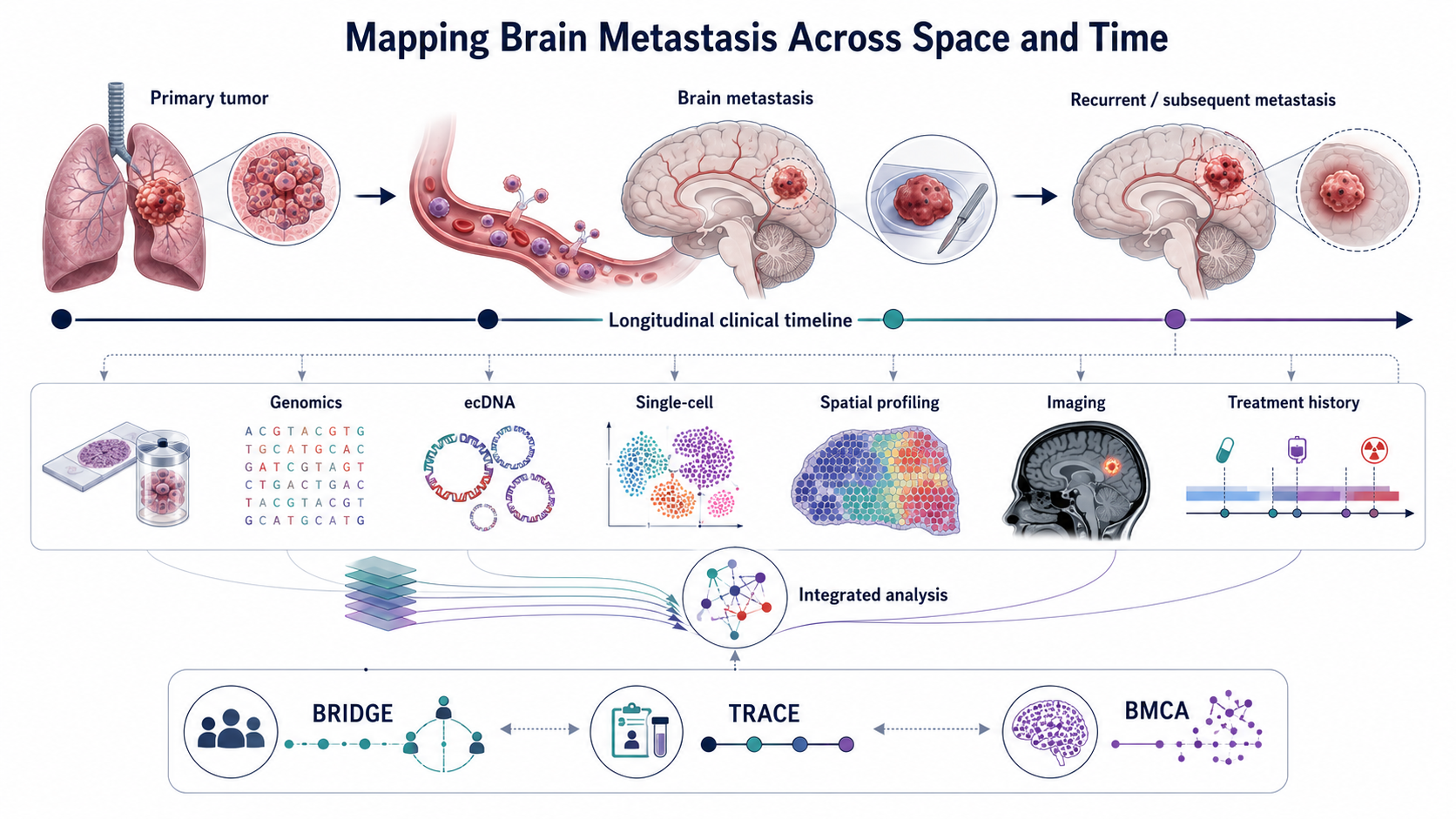
Brain Metastasis
Longitudinal, multimodal studies examine brain-metastatic evolution and extrachromosomal DNA (ecDNA), supported by the BRIDGE, TRACE, and BMCA collaborative research infrastructure.
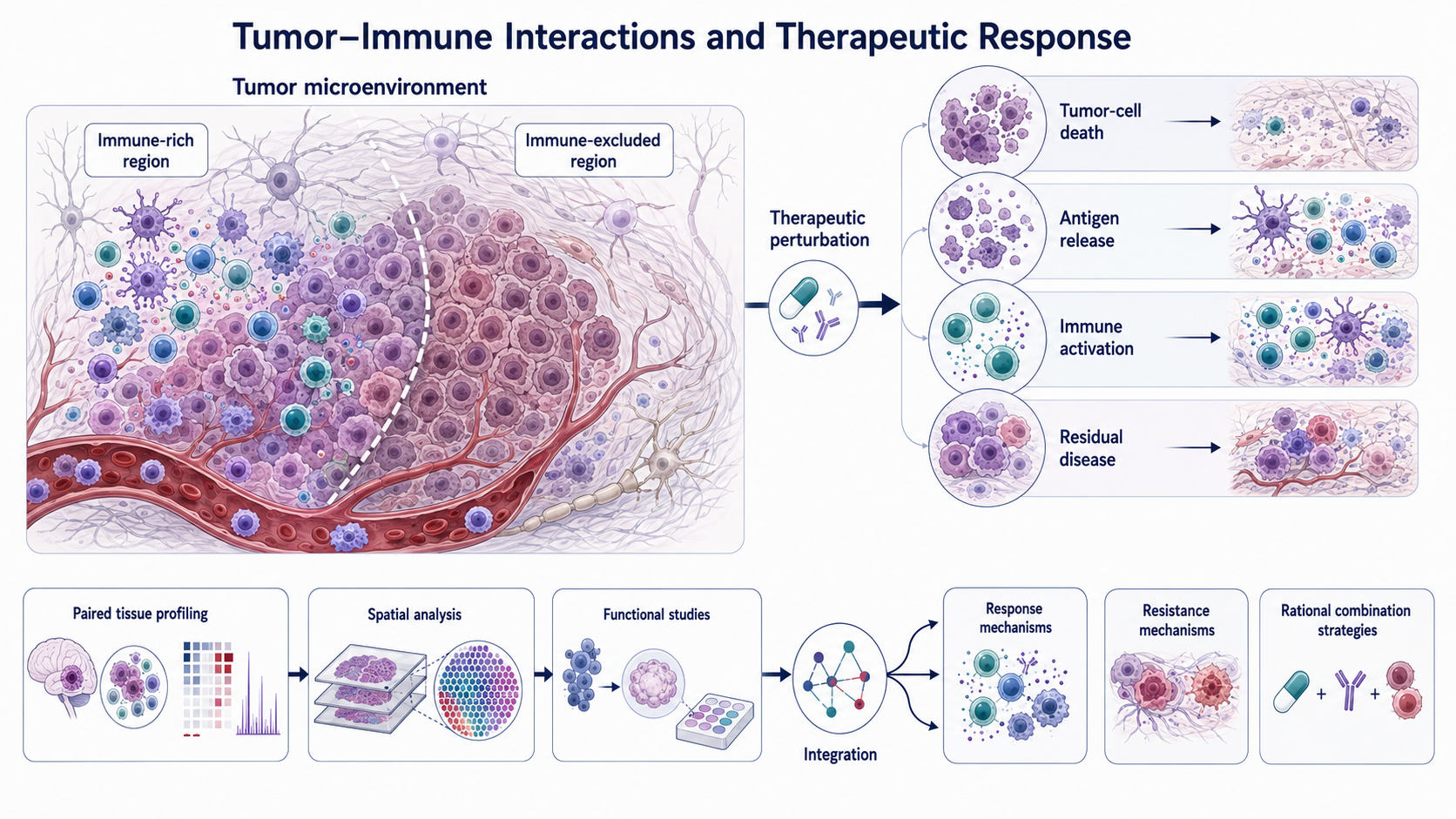
Tumor Immunity and Translational Therapeutics
Spatial and molecular studies connect tumor–immune interactions, immunotherapy, oncolytic virotherapy, and neoantigens to mechanisms of therapeutic response and resistance.